The WWF is run at a local level by the following offices...
- WWF Global
- Adria
- Argentina
- Armenia
- AsiaPacific
- Australia
- Austria
- Azerbaijan
- Belgium
- Bhutan
- Bolivia
- Borneo
- Brazil
- Bulgaria
- Cambodia
- Cameroon
- Canada
- Caucasus
- Central African Republic
- Central America
- Central Asia
- Chile
- China
- Colombia
- Croatia
- Democratic Republic of the Congo
- Denmark
- Ecuador
- European Policy Office
- Finland

LIFE ON PATROL IN LAOS: EVERY RANGER HAS A STORY TO TELL
Every patrol is a journey. Every journey has a purpose. Behind every patrol is a ranger with a story worth telling.

Protecting the Mekong, Protecting a Way of Life
Ms. Khan Khounlardlasy’s role in sustainable fisheries and community conservation in Khamtue village.
For Ms. Khan, the Mekong has never been just a river. Born and raised in Khamtue village in Khongxedon district, Salavan province, in the south of Laos, she has spent her life close to the river and surrounding forests. Together, they have provided food for her family, additional income, and resources that support life in the village.
As one of just two women on Khamtue’s river patrol team, her role shows that protecting the river is not only men’s responsibility. By joining patrols and helping care for the Fish Conservation Zone, she is also helping protect these resources for her children and future generations.
“My children are happy to see me in my patrol uniform,” Ms. Khan said.
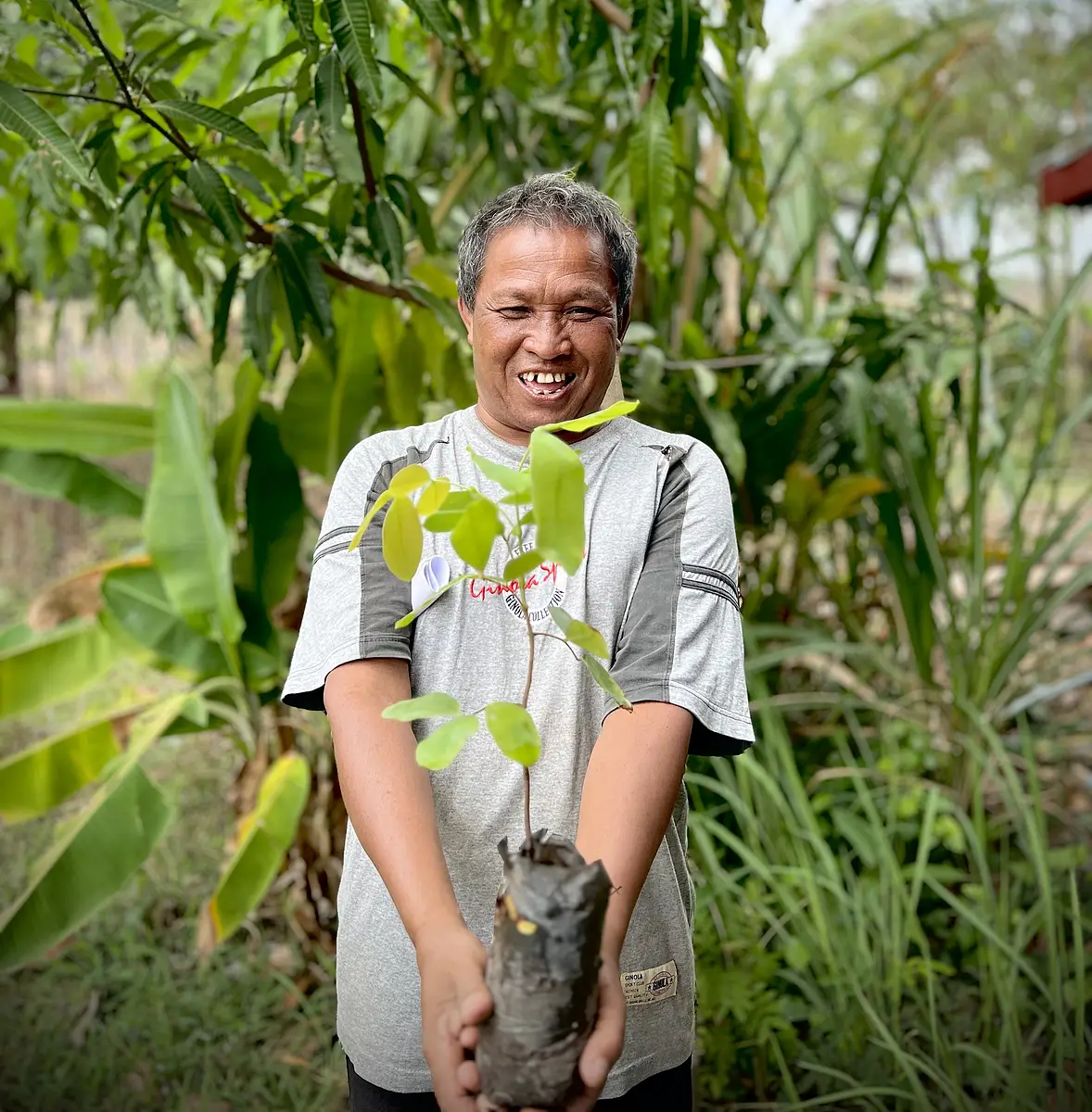
FROM A HOME NURSERY TO HOPE FOR FOREST RECOVERY
At Mr. Sikhoun Ouiphone’s home in Phonvixay Village, a 15 x 18 metre family nursery is helping forests recover, while also supporting livelihoods. On his own land, beside the house where his family lives, Mr. Sikhoun has raised thousands of native tree seedlings for planting in forest areas near Xe Pian National Park in southern Laos.
For Mr. Sikhoun, a 56-year-old farmer, it all started with one simple decision. Back in early 2024, when a WWF-Laos project team came to his village and asked if anyone would volunteer to manage a tree nursery, no one raised a hand at first.
“Maybe they were shy, as no one raised their hand, but I did,” Mr. Sikhoun said with a laugh.
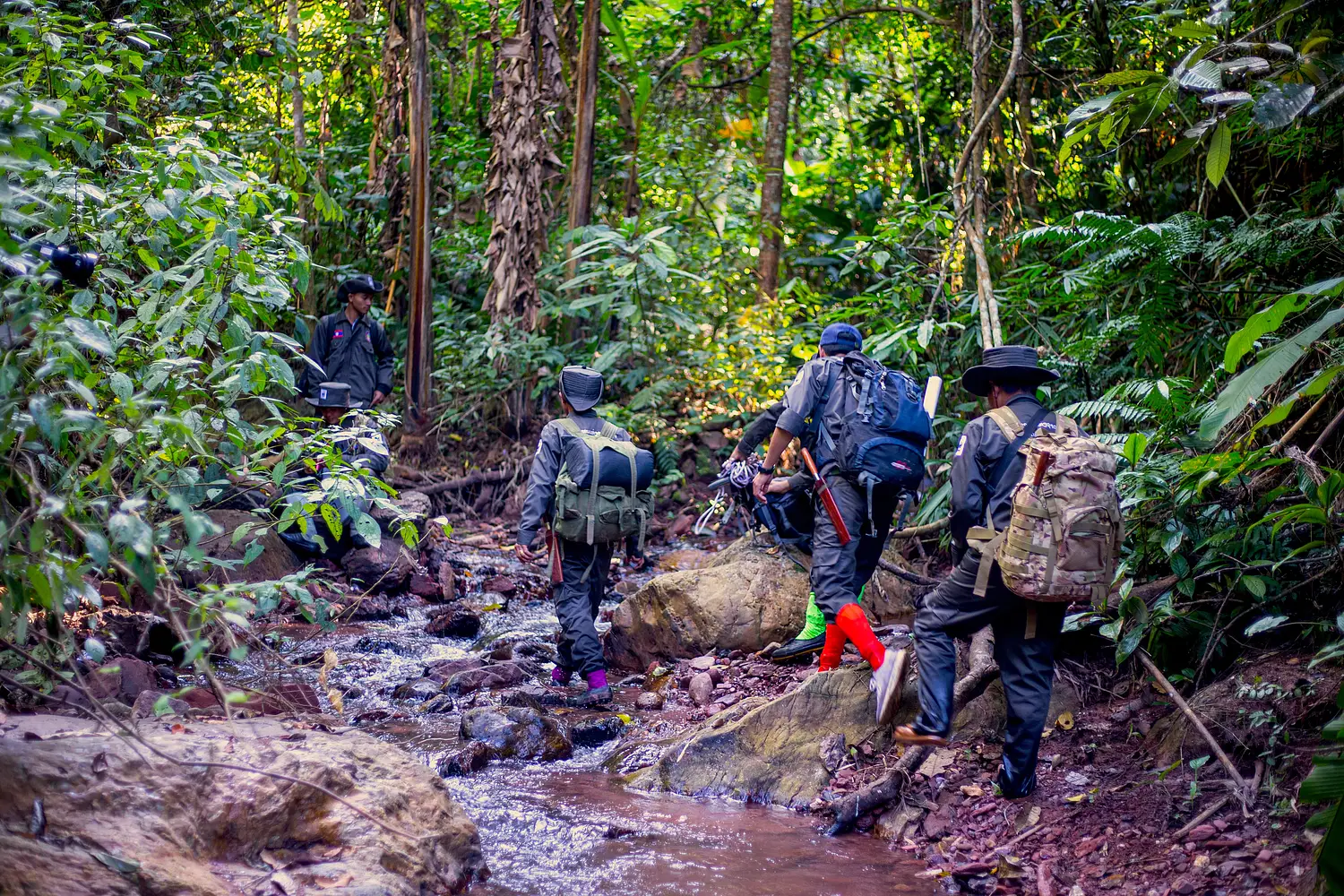
A Patrol Journey with Aiy in Nam Poui National Protected Area
“When I first joined, I didn’t really understand what patrolling meant or what they actually do. But over time, I realized it’s not just about walking through the forest – it’s about being part of something bigger, something that protects what really matters. Now, I’m proud to be part of it,” shared Phetmany Phommasy, known by his nickname Aiy, a WWF-Laos intern supporting patrolling efforts in Nam Poui NPA.
In Laos, while the term ‘ranger’ may not yet be formally recognized, patrolling work is actively carried out in many protected areas by forest and wildlife authorities, along with local communities – from rivers to forests. One ongoing example is the forest patrol team of Nam Poui National Protected Area (NPA) – a site recently designated as an ASEAN Heritage Park.